

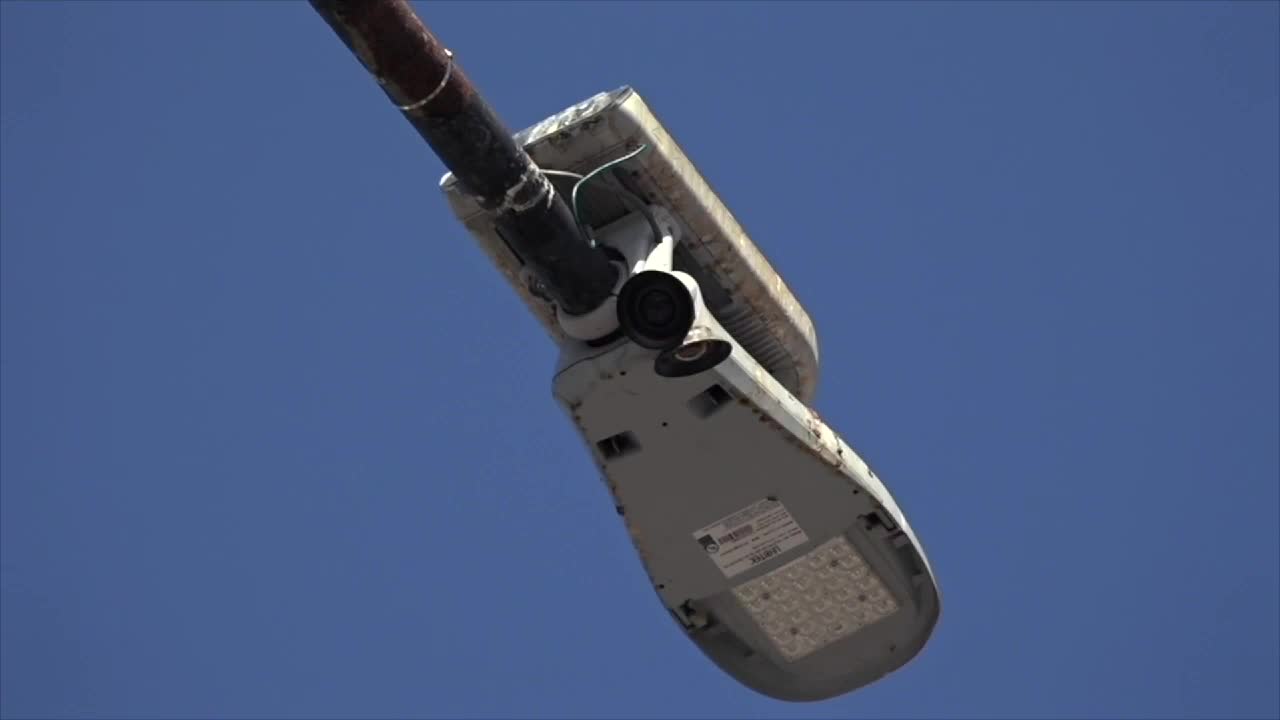


San Diego’s controversial automated license plate reader (ALPR) program is facing renewed scrutiny after newly released police records revealed the technology was used to track one of the department’s own officers and a domestic violence victim who had begun a relationship with that officer.
The revelations have prompted San Diego City Councilmember Raul Campillo to call for the suspension of the program and an audit of how the technology is being used by the San Diego Police Department.
The police department's internal affairs investigation report raised questions about how police are using license plate reader data and whether the technology is being used beyond traditional criminal investigations.
SDPD says its policy allows ALPR technology to be used for “legitimate law enforcement purposes,” including administrative investigations.
Seth Hall, with the Trust SD Coalition, says the latest disclosure highlights concerns about the potential consequences of widespread surveillance.
“We have known for a long time that the way that the city is describing how it wants to use this technology is very dangerous,” Hall said.
Hall argues the public may not fully understand how broadly the technology can be used until cases like this become public.
“It takes this kind of explosive news story to suddenly bring things to light and makes everybody ask, ‘Well, wait, I didn't know that that's what they were going to use it for. That's just unacceptable,’” Hall said.
According to San Diego police, officers have used the ALPR system in six separate administrative investigations involving specific allegations of misconduct.
In a statement, the department said it is committed to investigating allegations of officer misconduct and using available investigative tools when appropriate and consistent with department policies.
“The Department is committed to thoroughly investigating allegations of officer misconduct, and that includes using available investigative tools such as ALPR when appropriate and consistent with policies,” the statement read.
SDPD also confirmed the officer involved in the latest investigation is no longer employed by the department.
Despite the department's explanation, Campillo is calling for an audit of the program and its use by officers.
Hall says he believes the cameras should be taken down while city leaders reconsider the program.
“We need to reckon with the dangers, and especially for now, while we have that conversation, those cameras need to come down. They should have never gone up without having this conversation,” Hall said.
The controversy comes as the San Diego City Council prepares to discuss whether to approve the continued use of surveillance technologies, including automated license plate readers.
The discussion is scheduled for Monday, with councilmembers expected to consider whether to move up a decision on the technology rather than wait until December.
The debate puts the future of San Diego's license plate reader program back in the hands of city leaders as questions continue over police oversight, investigative practices and public privacy.
