

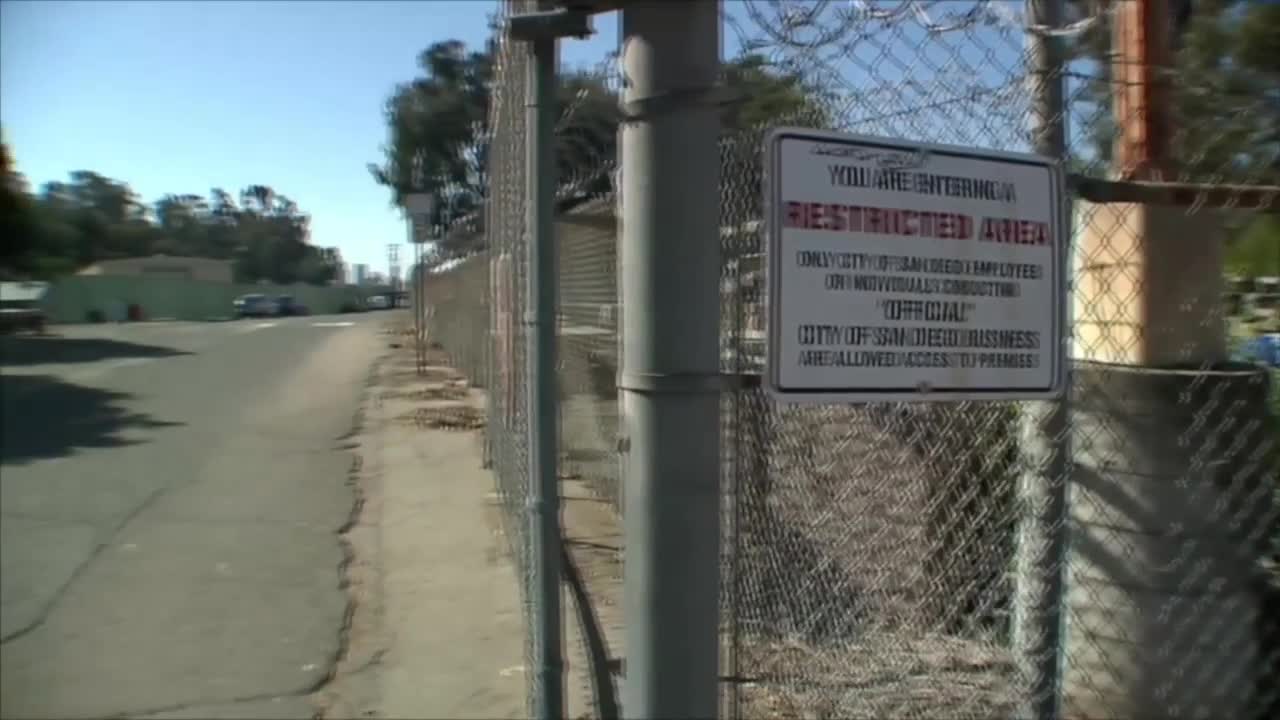


SAN DIEGO (KGTV) — San Diego city leaders are asking more questions about safety at the city Safe Sleeping sites, after the latest reported death pushed the total number to 21.
The most recent death was reported on Oct. 5. According to city officials, several of the recent deaths have been linked to substance overdoses, prompting concerns from some community members and elected leaders about how the sites are protecting vulnerable residents.
The issue surfaced during a City Council discussion on the Community Action Plan on Homelessness, where councilmembers sought additional information about deaths occurring at the city-run sites.
"I know that the whole intent of creating a safe sleeping site was to prevent people from dying on the streets," Councilmember Sean Elo-Rivera said during the meeting.
Questions also arose about how city officials are notified when someone passes away at a Safe Sleeping site.
According to the Community Action Plan on Homelessness report, Safe Sleeping sites served nearly 2,000 people during Fiscal Year 2026. However, five people have died at the facilities since January, bringing the total death toll to 21 since the sites opened three years ago.
ABC 10News has previously reported on deaths connected to the sites. In July, the death toll stood at 19 following the death of 56-year-old Tim Allen, who was found dead inside his tent.
Following the latest death, ABC 10News asked the City of San Diego about safety measures at the facilities.
In a statement, Matt Hoffman, the city's Media Services Coordinator, said:
“The safety and well-being of participants in the City's Safe Sleeping program is our priority. Contracted program staff and security personnel are onsite 24 hours a day, seven days a week. Program staff are trained in CPR, recognizing potential overdoses and administering Narcan. Staff have intervened in overdose emergencies and provided lifesaving assistance.
Safe Sleeping is a low-barrier program, meaning individuals are not required to be sober to participate. The City and its contracted providers work with harm-reduction organizations to connect participants with substance use treatment, detox services and other specialized care.
Program staff conduct tent checks multiple times daily and work to identify potential health and safety concerns. These checks can increase during inclement weather, staff announce themselves and ask participants to respond.
The program also has a code of conduct prohibiting onsite drug and alcohol use, violence and threats of violence. Staff address violations as appropriate while balancing participant safety, privacy and access to services.
The City and its contracted providers continue evaluating program operations and making adjustments to support participant safety.”
The city says the low-barrier model is designed to help people access shelter and services without requiring sobriety as a condition of entry.
When asked whether requiring sobriety could help prevent overdose deaths, Elo-Rivera said he does not believe there is a simple solution.
"I don't know that that's the solution," he said. "I think it starts with recognizing that this is a trend. What are we going to do to disrupt that trend?"
Elo-Rivera said discussions focused on increasing support for residents struggling with addiction and ensuring qualified professionals are available on site.
He said city leaders received a commitment that healthcare providers specializing in substance use disorder treatment will begin regularly visiting the Safe Sleeping sites.
Moving forward, councilmembers are also pushing for more transparency surrounding deaths at the facilities, including not only notification when a death occurs but information about the cause of death when it becomes available.
