



SAN DIEGO (KGTV) — San Diego is grappling with a $16.8 million budget shortfall, driven primarily by declining tourism revenue, failed one-time revenue sources, and increased expenses across multiple city departments. This comes as the city faces a $105 million deficit for the next fiscal year.
The city's mid-year budget monitoring report outlines some of the biggest shortfalls.
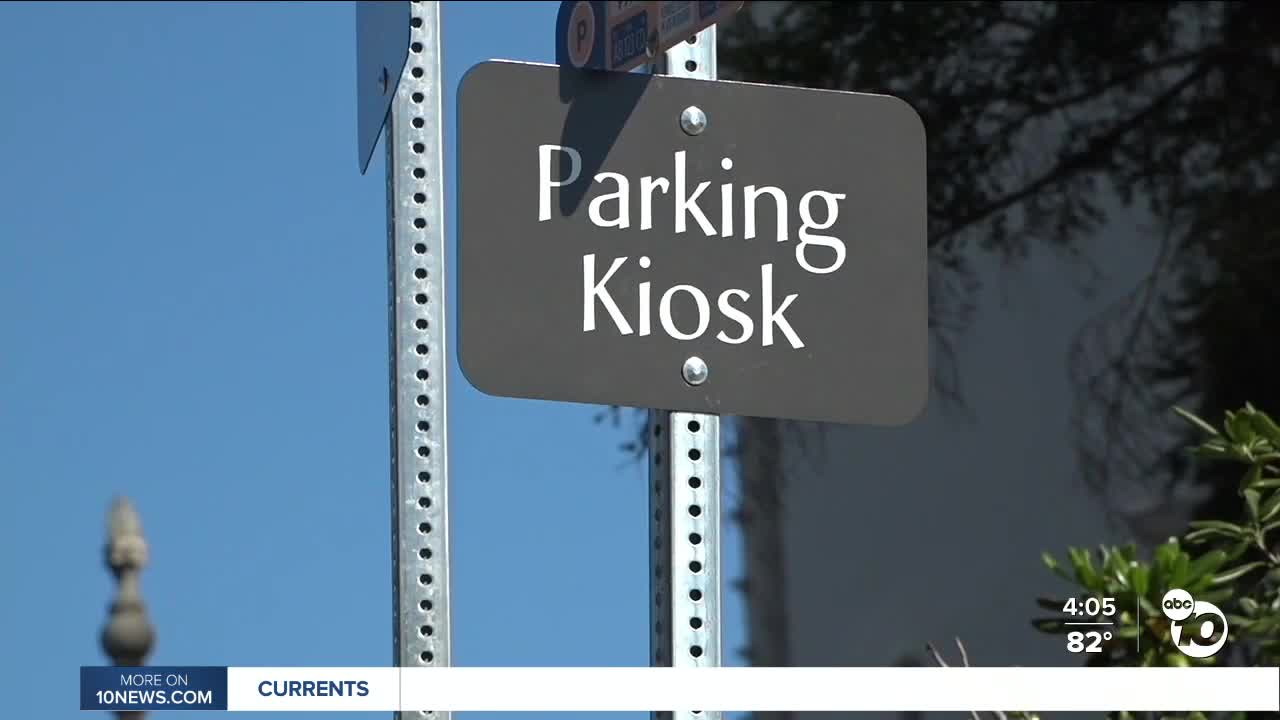
Balboa Park paid parking is one of the biggest factors in the shortfall. The city is expected to miss out on $8.9 million in revenue from its original projection after several delays in its implementation.
The total projected revenue may fall even shorter as members of the city council are proposing the repeal of paid parking fees for City of San Diego residents. The council is discussing this next Tuesday.
The city also reported several overages in spending by several city departments for overtime costs, including the San Diego Police and Fire, the City's Attorney's office, and the transportation department. All four departments make up $12.9 million in overages for overtime spending.
One of the most significant factors in the shortfall is a drop in tourism revenue. The Transient Occupancy Tax — also known as the tourist tax charged at hotels and short-term rentals — is projected to fall short by nearly $7.5 million.
The mid-year report cites a drop in international travel to the U.S. as a key factor. The city has also seen fewer people vacationing and traveling for business, with rising prices and the cost of living identified as the main causes.
The numbers support this trend. Fewer people are booking hotels, with reservations and bookings falling into negative territory in 2025. They're projected to fall another percent this year.
Despite the current challenges, there is some positive news on the revenue front. Higher rates for the tourism tax went into effect last May, and after five years in court, the city is finally able to start tapping into this money. The city expects this to help generate more than $1 billion over the next 10 years.
"Measure C could not have come at a better time," City Council President Joe Lacava said. "You're going to see some contracts come our way that will actually begin immediately to tackle that".
This story was reported on-air by a journalist and has been converted to this platform with the assistance of AI. Our editorial team verifies all reporting on all platforms for fairness and accuracy.
