

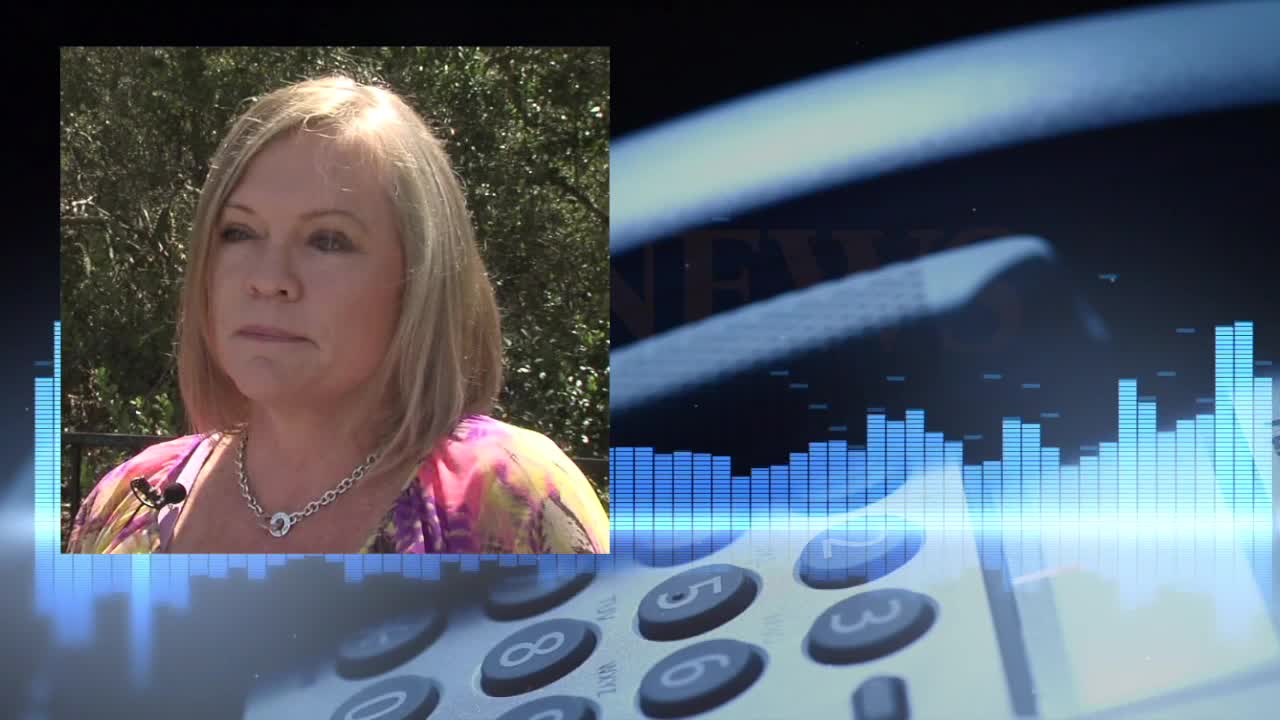


SAN DIEGO (KGTV) - Brenda van Dam, whose 7-year-old daughter Danielle was abducted and murdered in 2002, says she was stunned by Gov. Gavin Newsom’s decision to commute nearly 550 death sentences in California, warning the move could put children at risk.
Van Dam, who became a victims’ rights advocate following her daughter’s murder, is speaking publicly for the first time since Newsom released an open letter announcing his decision to commute all of the state’s death sentences to life in prison without the possibility of parole.
“It brings back everything for the families to the forefront, and it's very painful,” Van Dam said.
When asked whether she considers the decision a betrayal, van Dam did not hesitate.
“Absolutely. This was all said and done. No one should have the power to change that,” she said.
In 2002, Danielle Van Dam was abducted from her family's Sabre Springs home. Weeks later, her body was discovered near a trail in Dehesa. Neighbor David Westerfield was convicted of her kidnapping and murder and sentenced to death.
Westerfield’s sentence is among those affected by Newsom’s decision.
Van Dam said the death penalty represented a promise of justice for families who have endured unimaginable loss.
“Our families have suffered enough pain and torment. Death is the final justice we were promised,” she said.
She added that the possibility of Westerfield never facing execution takes away what she described as a small measure of hope for the family.
“It was a promise and a little hope,” Van Dam said. “He would meet his maker, who is the devil. It's not going to happen that way.”
Van Dam also questioned Newsom’s motivation, suggesting the decision was politically driven.
“For political gain, no other reason,” she said.
Some have speculated that commuting the sentences could help Newsom appeal to progressive voters as he potentially considers a presidential run. In his letter, however, Newsom framed the decision as a moral one, saying the death penalty is “incompatible with California's values.”
The governor previously imposed a moratorium on executions in California in 2019.
Legal challenges seeking to block the commutations are now underway. The California Supreme Court has called for legal briefs and comments from victims' families, with a November 24 deadline.
Van Dam is still deciding whether she will submit a statement. But she says her concerns extend beyond her own family, particularly when it comes to the potential safety of other children.
“It's scary. There are going to be predators out there searching for children that feel like nothing's going to happen to them, that they are going to get life without parole,” she said.
This article was prepared with the assistance of artificial intelligence and reviewed for accuracy.
