



POINT LOMA (KGTV) — California shoppers are adjusting to a new reality at checkout counters across the state as plastic bags have been officially banned since January 1.
The statewide prohibition, established under Senate Bill 1053, eliminates plastic bag options at grocery stores and retail locations, leaving customers with paper bags or their own reusable alternatives.
At Barons Market in Point Loma, the transition has been smooth according to both customers and staff. Customer Jim MacDonald said he typically brings his own bags but supports the environmental initiative.
"You get a stick of gum and they throw it in a big plastic bag which takes forever to biodegrade, so I don't want to pollute," MacDonald said.
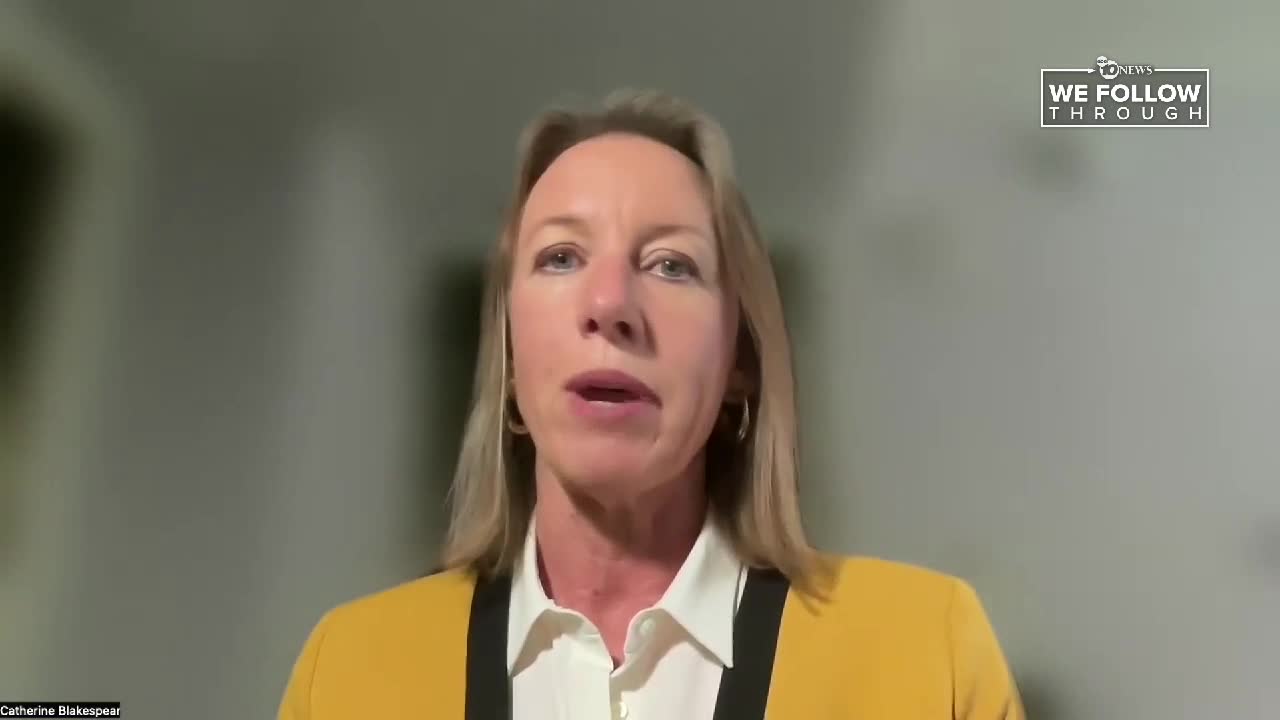
The law was signed in 2024 and co-authored by Senator Catherine Blakespear, who described it as addressing what she called a "plastic problem."
"There's a tremendous amount of plastic floating around our oceans," Blakespear said. "And so, this will help deal with that problem."
The legislation also closes a 10-year loophole from previous plastic bag regulations that allowed thicker plastic bags to remain in circulation.
"There was a loophole that would allow for thicker bags - thicker plastic bags which we all see at the market - to be distributed in commonplace. Unfortunately, since the plastic bag ban, plastic bag pollution has doubled," Blakespear said.
Store managers at Barons Point Loma allowed their plastic bag inventory to run out at the end of December in preparation for the new law. They report positive customer responses so far.
"It's been real smooth. It's been all positive, no pushback," a store manager said. "Most of our customers already use our reusable bags, our Apple bags that can be purchased in the store, and then we have the new brown bags with reinforced handles that are really good."
Paper bags remain available but come with a cost. The law requires stores to charge at least 10 cents for each paper bag.
Many customers view the environmental benefits as worth the adjustment, seeing the ban as a meaningful step toward reducing ocean pollution and plastic waste.
This story was reported on-air by a journalist and has been converted to this platform with the assistance of AI. Our editorial team verifies all reporting on all platforms for fairness and accuracy.
