

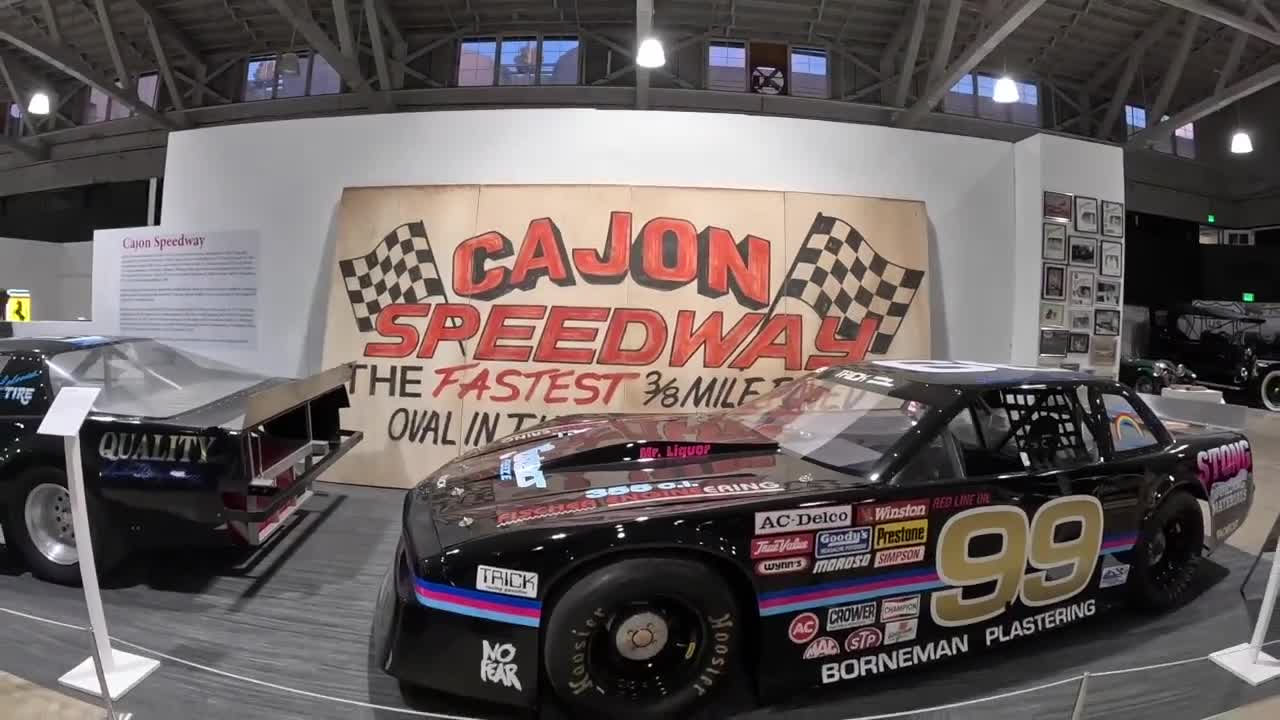


SAN DIEGO (KGTV) — Museums that rely on tourism and walk-in traffic are feeling the impact of the city’s new paid parking program, with the San Diego Automotive Museum reporting a sharp decline in attendance and revenue since the policy took effect.
The museum’s CEO, Lenny Leszczynski, says attendance has dropped 38 percent, a decline he attributes largely to the cost of parking for visitors.
“We’ve been open since 1988 — 38 years — and we’ve welcomed thousands of people through our doors,” Leszczynski said. “But now, with the cost of parking, it’s just unaffordable for many of them.”
The attendance drop has triggered a ripple effect inside the museum. Leszczynski says revenue is down 20 percent, 10 percent of members have canceled their memberships, and another 10 percent of volunteers have stopped coming in — all citing parking costs as the reason.
The impacts have been felt since the rollout of paid parking on January 5, a change that has sparked widespread complaints from visitors, residents, and business owners across the area.
“We’re getting a lot of negative feedback from members, from visitors, from people in the community,” Leszczynski said earlier this month. “Anywhere I go, that’s all anybody wants to talk about.”
The pushback has gone beyond complaints, prompting some businesses and cultural institutions to make immediate operational changes. At the Automotive Museum, staffing adjustments are already underway.
“We’re having to shift staff hours at the front, which has an economic impact on our frontline staff,” Leszczynski said. “We’re also having to make management adjustments based on the loss of revenue. This has a trickle-down effect.”
The museum says the strain has been especially hard on its volunteer base. Leszczynski described difficult conversations with longtime volunteers who say the distance and cost of parking have made it too challenging to continue.
“It’s so tough looking at somebody who’s volunteered here for 10 years and hearing them say, ‘I’m too old to park as far away as they’re having us park,’” he said.
As the effects continue to mount, Leszczynski worries about what lies ahead if the trend continues.
“If this keeps going, it’ll feel like going back to the COVID days,” he said. “When revenue was gone and you were making constant adjustments, hoping to find a path through it all.”
Museum leaders say they are now watching closely to see whether changes are made to the parking policy — or if attendance and staffing cuts become the new reality.
