

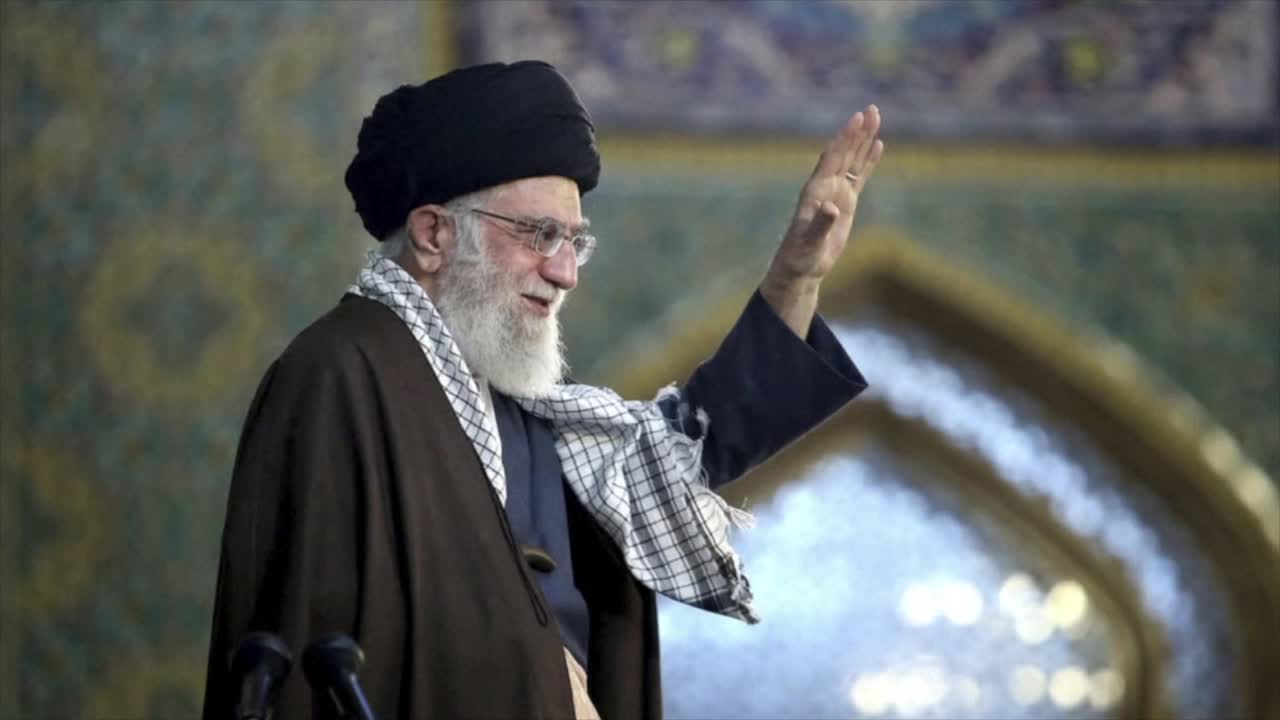


SAN DIEGO (KGTV) — A local Iranian American says he is feeling mixed emotions as conflict escalates in Iran following the confirmed death of the country's supreme leader in U.S.-Israeli strikes.
Sam Bigdeli says he is hopeful the moment could lead to a new government in Iran, but he is also deeply worried about family members he has been unable to reach.
"Iran is such a beautiful country. You can stand in the middle of the city of Tehran, which is now a massive city. 20 minutes north you will be in a ski resort, 20 minutes south you will be in one of the driest deserts in the world," Bigdeli said.
An Iranian official confirmed Sunday that the country's supreme leader was killed in U.S.-Israeli strikes. President Donald Trump has said strikes will continue through the week.
For Bigdeli, the moment carries both grief and possibility.
"For the past 47 years, you know, obviously we all suffered from, uh, politically from the, the current regime in Iran, but now at least there's a level of hope," Bigdeli said.
But that hope is tempered by fear for his loved ones still in Iran.
"There's a lot of emotion involved, to be honest, uh, you know, we have obviously, uh, me and my wife, we have relatives in Iran. I have aunts and uncles, cousins," Bigdeli said.
Among them is an aunt in her late 70s who lives alone. Reaching her has been nearly impossible.
"There's a network shut down by the government which makes it extremely difficult and then during those days that the networks are connected, it's very hit and miss," Bigdeli said.
Bigdeli said the last time he heard from her was when the U.S. first struck Iran.
"We only heard from her once. Um, a couple days ago, like immediately after the bombardment started, and ever since we haven't heard from her, so we don't know where she is," Bigdeli said.
Now, two things weigh heavily on Bigdeli's mind — his family's safety and whether Iran will have a new government following the death of the supreme leader, who ruled for almost four decades.
"The most amount of hopefulness is actually coming from the people of Iran. They are because they suffered a lot more than, a lot more than us, and they, they, they were obviously begging for some outside force to come and help them out because they were completely helpless against, you know, all the oppressions," Bigdeli said.
This story was reported on-air by a journalist and has been converted to this platform with the assistance of AI. Our editorial team verifies all reporting on all platforms for fairness and accuracy.
