



SAN DIEGO (KGTV) — The hacker responsible for breaching a software system used by several schools in San Diego County is opening up about how he got involved in a dark underworld when he was just 15.
“It’s indescribable the adrenaline you get when doing something like that. It’s way more than driving 120 miles per hour on like a back road or a highway,” said Matthew Lane in an interview with ABC News ahead of a Nightline special on young hackers airing April 14th .
Lane may look like a kid but is the mastermind turned Gen Z hacker responsible for one of the largest education data breaches ever.
He started hacking when he was still in high school and said he was roped into a dark corner of the internet after learning how to code. His victims ranged from a school athletic association to private companies and even foreign governments, according to court documents.
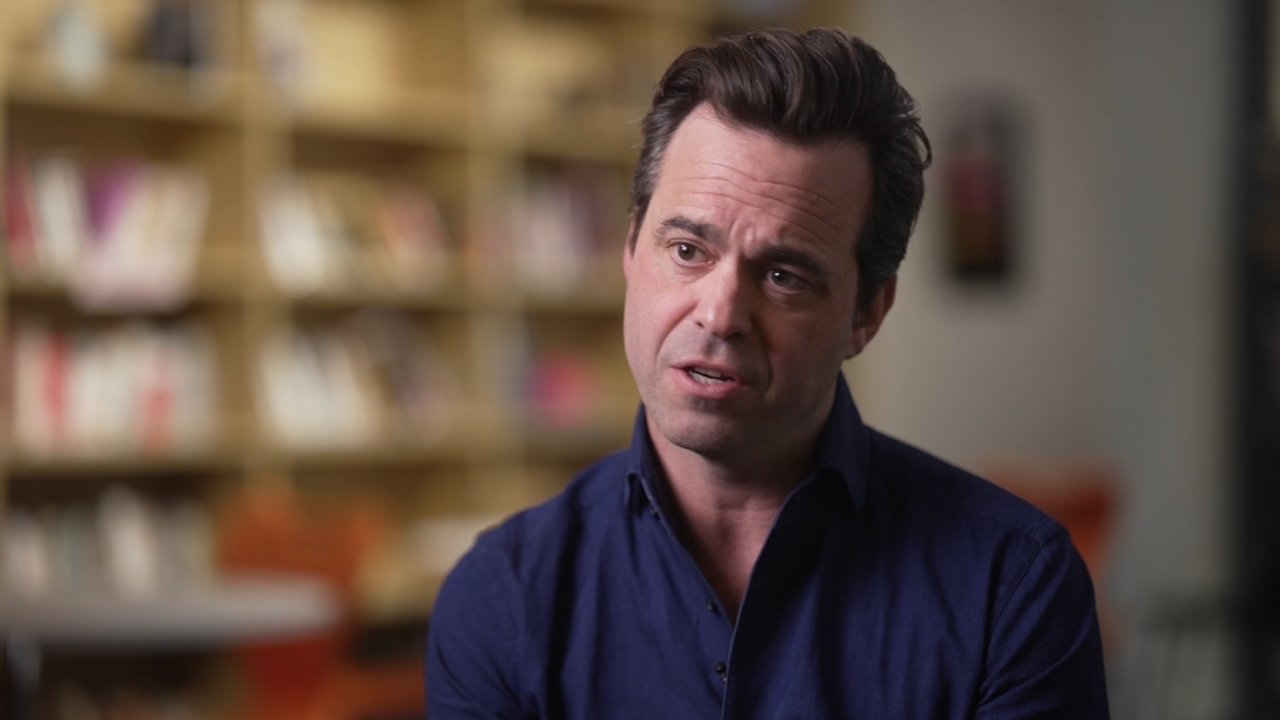
“I really started to get into programming when I was playing Roblox. And I was involved in the game-cheating community.”
Lane said he didn’t know it in childhood but would eventually later learn he had autism.
He agreed to speak to ABC News two days before he reported to prison in Connecticut for hacking PowerSchool.
“I was addicted to hacking. That gave me the most natural high ever,” Lane, now 20, said.
The California-based software company provides services to more than 18,000 school districts around the globe.
$2.8 million ransom
In 2024, Lane hacked into the company by using an employee’s stolen login credentials. He then exfiltrated student and teacher data, including Social Security numbers, dates of birth and medical information.
The stolen information was then moved to a server in Ukraine that Lane leased.
Days later, PowerSchool received a ransom demand for $2.8 million in Bitcoin.
The note claimed to come from a notorious hacking group. It threatened to leak the personal information of more than 60 million students and 10 million teachers across the U.S., Canada and elsewhere.
PowerSchool agreed to pay an undisclosed ransom.
“We thought it was the best option for preventing the data from being made public and we felt it was our duty to take that action,” the company said in a statement after the incident.
San Diego County schools hit
In January 2025, several school districts in San Diego County became aware of the breach and started notifying parents and faculty their information may have been compromised.
State records reviewed by Team 10 show the following districts were impacted by the hack and filed notices with the California Attorney General:
- Rancho Santa Fe School District
- Ramona Unified School District
- Santee School District
The San Diego Unified School District told nearly 100,000 families that student data from the district was downloaded by an unauthorized user.
That warning turned out to be a false alarm, according to district spokesman James Canning.
“The investigation has determined that personal information from SDUSD’s PowerSchool system was not involved in the PowerSchool incident,” he told Team 10.
'Thankful I got caught'
Lane, who was 19 when the FBI arrested him in his dorm room at Assumption University in Massachusetts, told ABC News he was motivated by greed.
“You see this lavish, luxurious lifestyle that these kids, other people, sometimes adults 20 to 40 years old, are leading, and you’re like, as a young kid, ‘I want that.’”
He used ransoms he extorted from victims to pay for a penthouse apartment, designer clothes and jewelry.
A judge sentenced him to four years of prison last fall and ordered him to pay more than $14 million in restitution.
“I’m thankful that I got caught. I’m honestly thankful for the FBI. You know, even the DOJ, I’m thankful for them because I would have never stopped.”
Lane said he decided to speak with ABC News to try to convince other young people not to go down the same path as him.

He encourages parents to put guardrails in place to protect their children.
"See what they’re doing, what they’re interested in, you know. But also warn them about you know how things can get crazy on the internet," Lane said.
The majority of people committing cybercrimes are children, according to Fergus Hay, founder of the Hacking Games, which finds neurodivergent Gen Z hackers developing skills in the gaming world and encourages them to use their talent for good.
"Every hacker is a gamer. And that's because it's the same mentality. It's spotting patterns. It's solving puzzles. It's breaking rules. It's competing,” he said.
PowerSchool said it takes the responsibility to protect student data privacy “extremely seriously.”
After the breach, it offered students and faculty two years of free credit monitoring.
The company declined to say how many current and former students and teachers were ultimately affected by the breach.
With files from ABC News and Nightline
