



They’re tasty but we all know they’re not good for you
"Foods in this category have links with obesity, inflammation, and then also disruption of the gut microbiome," Scripps Cancer Center Dietitian Alison Meagher says.
We’re talking about sugary drinks, packaged snacks, processed meats all of which are high in salt, sugar, fat and preservatives.
And data shows adults and kids get more than half their daily calories from the very top of this pyramid:

Foods we don’t actually need, but choose for convenience. Kids are still choosing the less healthy options, and the results are showing.
"We're getting a lot of excess calories which then have links with obesity," Meagher says.
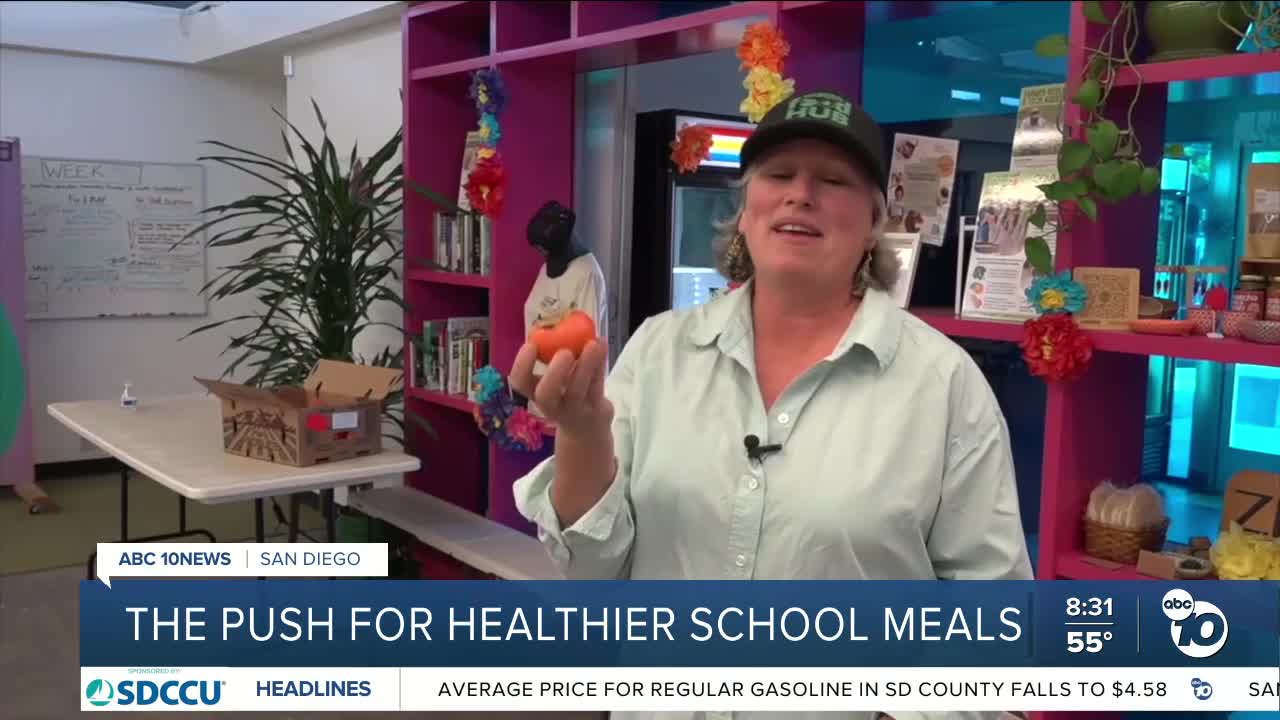
Childhood obesity has climbed to nearly 1 in 5 nationwide, a trend doctors are worried about. It is a topic community members like Ellee Eigoe, Director Of Operations For Food Shed Cooperative, are trying to change.
At FoodShed San Diego, the mission is simple: bring more local, fresh food into the community.
"Less than 1% of what we grow is actually consumed here in San Diego County," Eigoe says. “We've subsidized an industrial cheap food industry, um, that's put small farmers out of business and had an incredible toll on our community health.”
FoodShed sources from 60 small farms, distributes to under served neighborhoods and schools, and pushes for bigger changes.
“We really need to invest public resources in our local food supply chain so that that economy of scale starts to to tip, right? Fewer subsidies for big agricultural commodities and more for fruit and veggie growers in our communities," Eigoe says.
Starting next month, a new California law will phase out certain ultra-processed foods from school meals. But Elle says policy alone isn’t enough, schools need the supply to match.
"We really have to move in lockstep with investments in farms, alongside these sort of new policies so that our policies match up and our businesses and communities can actually have the resources to change behavior," Eigoe says.
