



SAN DIEGO (KGTV) — As of this year, 62% of adults in the country own stocks — whether through direct ownership, mutual funds, or an employer-sponsored retirement plan like a 401(k). Of that group, the average household income ranges from $50,000 to $100,000.
While most people don't begin investing until they're adults, experts say the younger generation is starting early.
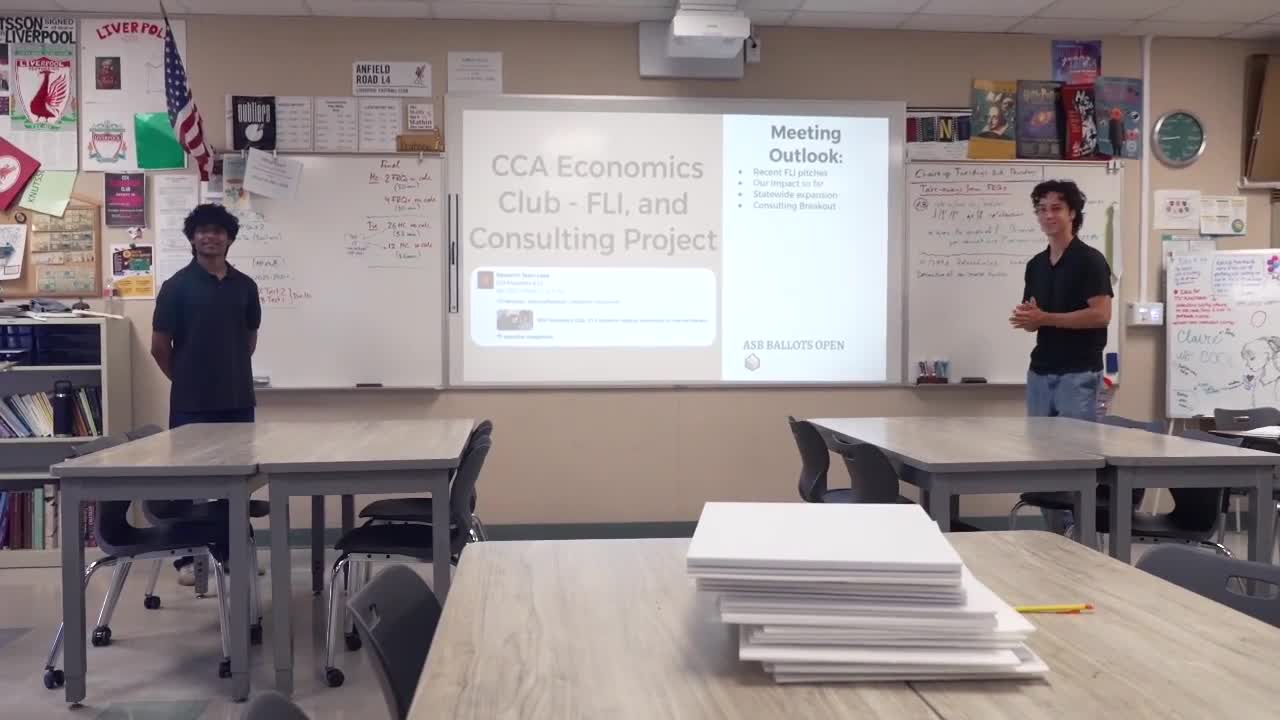
Take, for example, students from Canyon Crest Academy. Sophomores Ian Bates and Tanish Kathirvelavan started an economics club at their school where they learn about long-term and short-term investments while teaching students about financial literacy. Both have always had an interest in finance and have even created their own portfolios with the help of their parents.
Bates said, "My portfolio is primarily a growth portfolio and what I mean by that is since I'm so young, I have a really high risk tolerance, and I invest in a lot of companies that I think are although they're volatile, they have a lot of upward potential."
Kathirvelavan said, "Before I started the economics club, I was just basically going off the news. I would see headlines and I would put that into play. After teaching lessons after founding the club with that knowledge, I was able to use more quantitative metrics more numbers that just headlines."
Financial experts say that by starting early — even with small amounts — investments will grow over time, and it also provides more time to recover from market downturns. To start, they recommend parents help their teens set financial goals, showing them the importance of researching every investment opportunity so they know the risks. Experts also suggest setting a dollar amount limit, making sure teens don't invest any more money than they're willing to lose.
Club advisor Perola Knutsson says that as students learn how the stock market works and become familiar with the economic climate, it sets them up for future careers that can withstand changes ahead.
"Another AI impact perhaps. Jobs will be harder to find that's not taken by AI and to be able to find a niche where they have insights can help inform companies and themselves," said Knutsson.
Both Bates and Kathirvelavan said they'd like to help bring the economics club to other schools across the country to help other students with money management and financial literacy.
This story was reported on-air by a journalist and has been converted to this platform with the assistance of AI. Our editorial team verifies all reporting on all platforms for fairness and accuracy.
